
First Time Traveling to Europe: What to Know Before You Go?
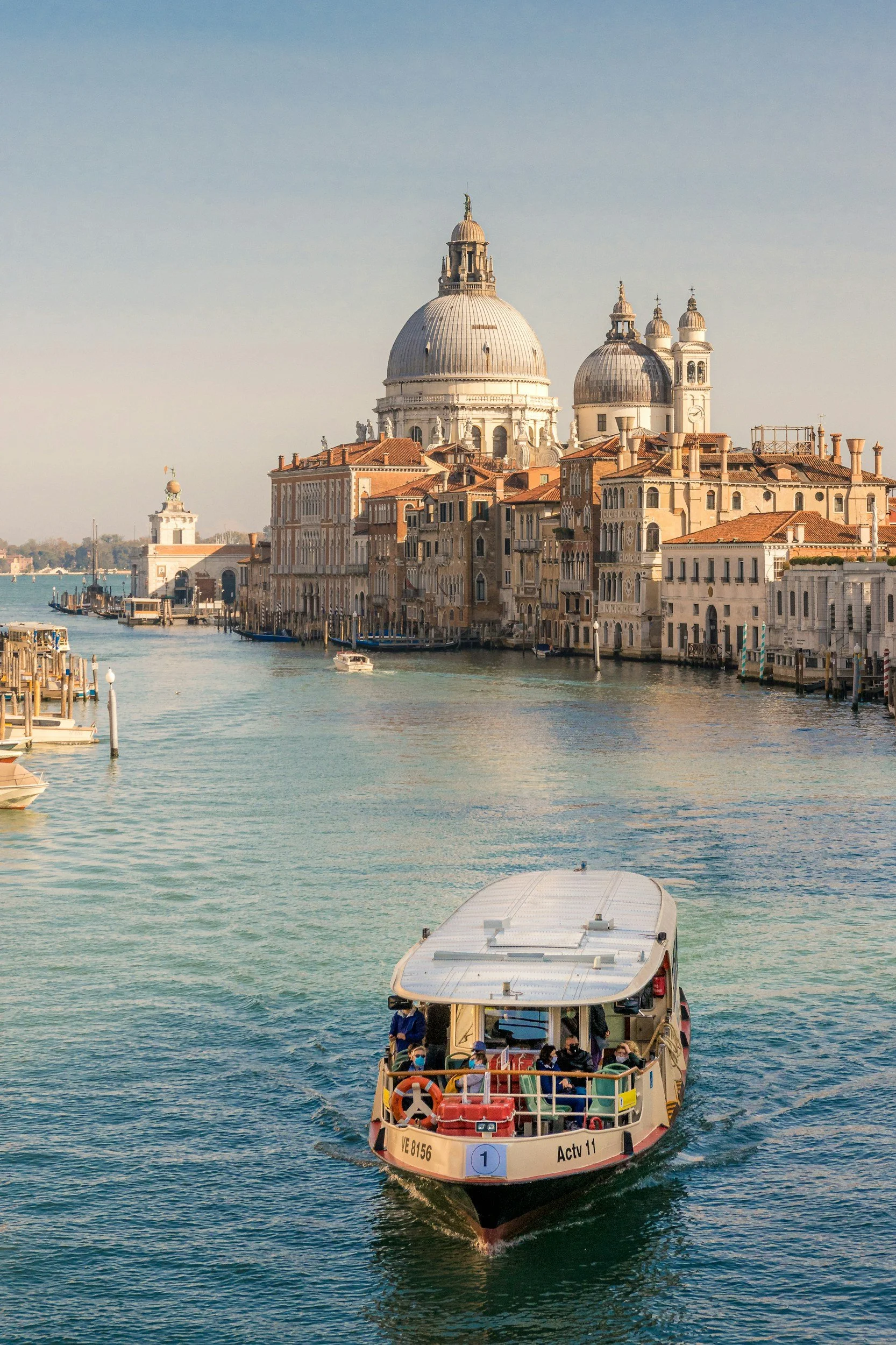
First trip to Europe is always exciting, but it can also come with a lot of questions.
Do you need a visa? Should you bring cash? How do European trains work? What should you pack? Is it better to use a credit card or exchange money? And just how early should you arrive at the airport?
The good news: Europe is very accessible to American travelers, and a little preparation goes a long way.
Whether you’re dreaming of strolling through Rome, riding the rails through Switzerland, island-hopping in Greece, wandering the streets of Paris, or enjoying a leisurely meal in Spain, here are the things we recommend knowing before your first European adventure.
Start With Your Passport
Before you get too far into planning, check your passport. For U.S. travelers, many European destinations require a passport to remain valid for at least three months beyond your planned departure from the Schengen Area.
Then look carefully at which countries you're actually visiting. Europe isn't one single immigration zone. The Schengen Area has its own entry rules, while destinations such as the United Kingdom have separate requirements. Entry regulations can also change, so it's important to check the requirements that apply to your specific trip before departure.
Don't Try to See All of Europe at Once
This is probably our biggest piece of advice for first-time travelers: slow down.
When you're looking at a map, Paris, Rome, Amsterdam and Barcelona might seem close enough to squeeze into one trip. But every time you change cities, you're spending valuable vacation time packing, checking out, traveling, checking in and getting oriented again.
Instead, choose a few destinations that make sense together and give yourself time to actually enjoy them.
A first trip might be Paris and the French countryside, Rome and Tuscany, or Barcelona and the Costa Brava. You don't need to see everything to have an unforgettable European vacation.
Don't Overpack
Most first-time travelers pack too much. Europe doesn't require an entirely different wardrobe. Instead, focus on layers and pieces you can mix and match.
A good starting point:
Comfortable walking shoes
Light layers
A weather-appropriate jacket
A small crossbody or secure day bag
Sunglasses
A compact umbrella or rain jacket
Travel-size toiletries
Any necessary medications
If you're traveling between several climates or countries, layers are particularly useful.
And leave a little room in your suitcase – you will probably come home with something you didn't leave with!
Don't Forget Travel Insurance
Travel insurance is worth considering, particularly for international trips involving expensive flights, hotels, cruises, tours or prepaid experiences.
Depending on the policy, coverage may include things such as trip cancellation and interruption, emergency medical expenses, travel delays, etc.
Coverage varies significantly between policies, so don't assume every travel insurance plan covers the same things. If you're investing significantly in your European vacation, we recommend reviewing your options before your trip.
Embrace the Trains
For many travelers, European train travel is one of the highlights of the trip.
High-speed rail connects many major cities, often taking you from one city center to another without the airport experience. But trains aren't identical everywhere. Some require seat reservations, some have assigned carriages, and tickets can have specific boarding instructions.
And here's another reason to pack light: you'll be the one lifting that suitcase onto the train and rolling it over cobblestones afterward.
A comfortable pair of walking shoes may be the most important thing in your suitcase.
Bring Your Cards – and a Little Cash
Credit cards are widely accepted throughout Europe, but having some local currency is still useful for smaller purchases, markets, cafés and places where cards aren't accepted.
The euro is used in many European countries, but not all European countries use the euro. The United Kingdom uses pounds sterling, Switzerland uses Swiss francs, Denmark uses Danish kroner, and several other European countries have their own currencies.
Bring the Right Power Adapter
American plugs generally won't work directly with European outlets. Bring the appropriate plug adapter for the countries you're visiting.
Also pay attention to voltage. A plug adapter changes the shape of the plug, but it does not necessarily convert voltage. Many modern electronics such as phones, laptops and camera chargers are designed for international voltage, but always check the label on your device before plugging it in.
Hair dryers, curling irons and other heating appliances can be more complicated.
Travel advisor tip: A good universal adapter with multiple USB/USB-C ports can simplify your entire trip.
Your Phone Will Be Your Best Travel Tool
Your phone can do a lot more than take photos in Europe. Download your airline, hotel and train apps before leaving home and consider downloading offline maps for the destinations you'll visit.
In addition, check with your carrier before departure and understand international data rates, roaming charges, whether your plan includes European coverage, etc.
Validate Tickets When Required
Some European transportation systems use an honor system. That means you may purchase a ticket but still need to validate or activate it before boarding.
Failing to do so can result in a fine even if you technically paid for the ticket. Read the instructions carefully, especially when using public transportation in a new city.
Jet Lag Is Real – Give Yourself Time
Flying from the U.S. to Europe usually means arriving after an overnight flight and immediately trying to function in a new time zone. If possible, don't schedule your most demanding activity for the first few hours after landing.
Instead:
Get outside during the day.
Stay awake until a reasonable local bedtime.
Drink plenty of water.
Keep your first day relatively relaxed.
Avoid overloading your schedule.
Give yourself a couple of days to fully adjust.
Expect Things to Feel a Little Different
One of the joys of European travel is realizing that not everything works the way it does at home.
Dinner might take two hours. Your server may not bring the check until you ask. Breakfast might be coffee and a pastry instead of a big American-style spread. Tipping customs vary from country to country. None of this is wrong or inconvenient – it's simply different.
The best approach is to arrive with curiosity rather than expecting everything to work exactly as it does in the U.S. And learning a few words in the local language – hello, please, thank you, excuse me – is always a good idea!
Ready to travel? We’re here to help!
Europe isn't difficult to visit, but there are a lot of decisions to make. Which neighborhood is best for your hotel? Should you take the train or fly? How many nights should you spend in each destination? Which experiences need to be booked in advance?
A travel advisor brings experience to those decisions. Instead of spending hours comparing hotels, researching transportation and piecing together an itinerary, you have someone who can look at the entire journey – and, most importantly, get to know how you like to travel.
At Trabeona Travels, we take the time to understand how you want to travel and handle the details that turn a collection of destinations into a seamless journey.
Because your first trip to Europe should feel exciting, not overwhelming.
Ready to start planning? Reach out to our Travel Advisor Team at explore@trabeonatravels.com!